AspectUI. AI-native design system for fintech projects
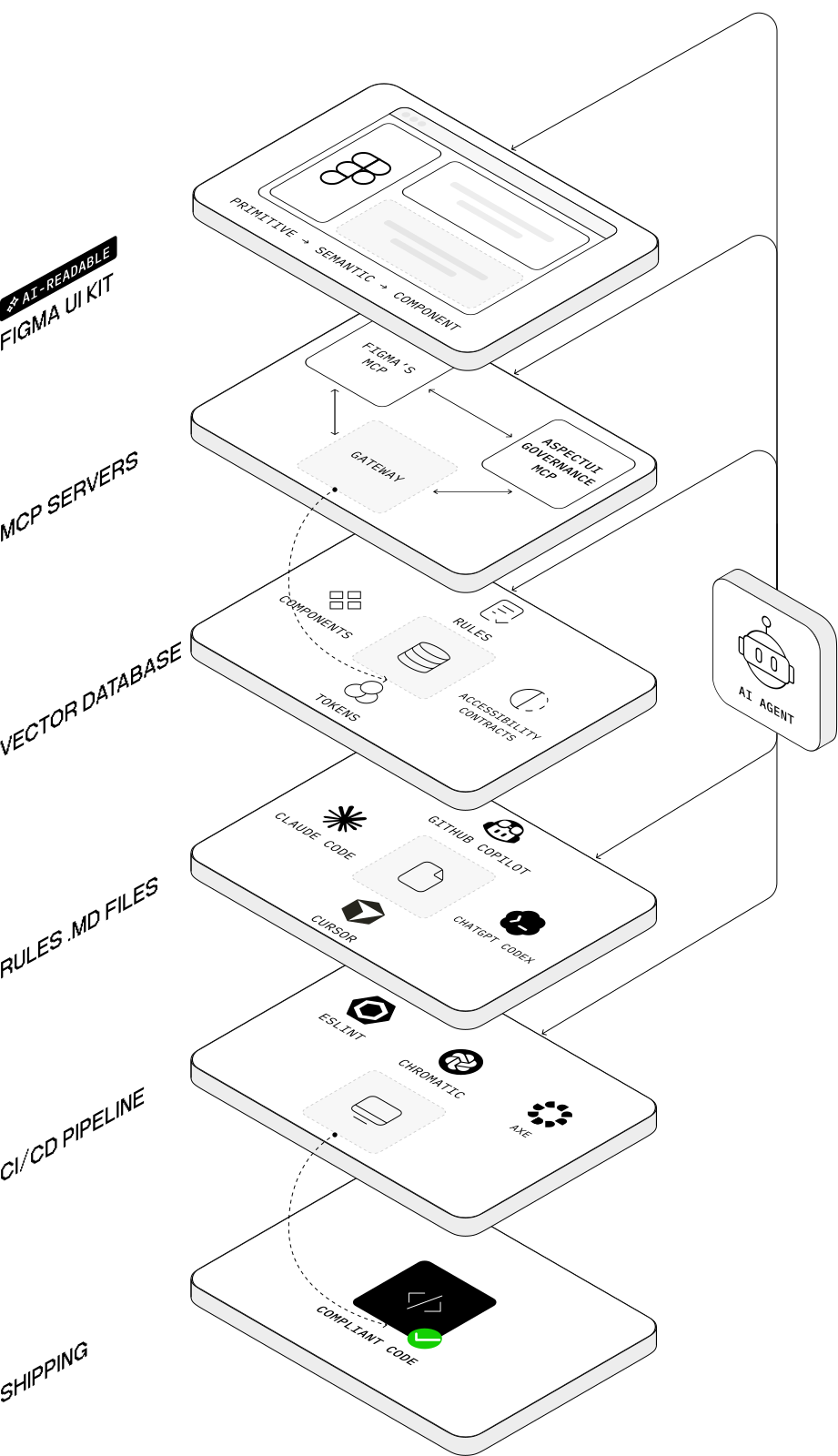
AspectUI is a governance-first, AI-readable design system service built specifically for the demands of regulated fintech. We implement the full stack required to transform AI agents into capable, compliant collaborators: a semantically structured Figma UI kit, custom MCP servers, a vector database for RAG, and the CI/CD enforcement layers that keep production code aligned with design intent.
In fintech, where the margin for drift is zero and implementation friction is often measured in weeks of compliance reviews, AspectUI treats the design system as critical infrastructure. It ensures that as you scale your use of AI coding tools, your speed never outpaces your governance.
AI speed meets regulatory reality
AI coding tools are already in production workflows. Cursor, Claude Code, Figma Make, Windsurf, Lovable, Codex. Teams are shipping real features with them.
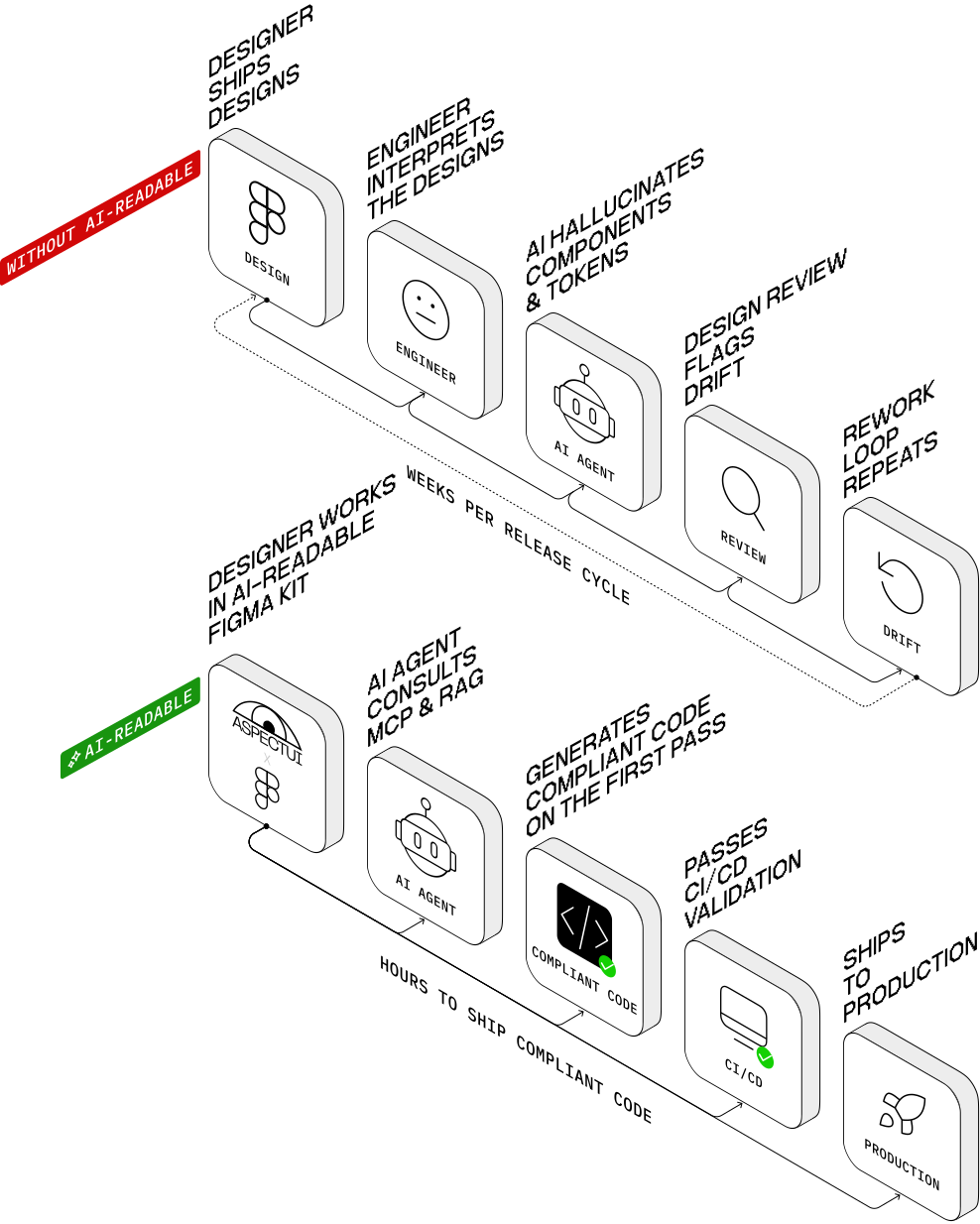
The problem is that most design systems were built for humans to read, not machines. So when teams point AI at them, the output drifts. Tokens get hardcoded. Components get reinvented. Accessibility rules get ignored. In regulated fintech, that drift is not just a design problem. It becomes a compliance failure.
The European Accessibility Act has been enforceable since June 2025. Only 31% of European fintechs meet basic accessibility requirements. SOC 2 audits increasingly scrutinize how UI changes are versioned and reviewed. The teams that restructure their design systems for AI readability now will ship faster and stay compliant. The teams that don't will accumulate risk at the speed of AI-generated code.
Our working hypothesis is that AI-ready design systems with compliance built into the foundation will be the default for regulated fintech within two years. The teams that make the transition early will compound that advantage across every product cycle.
What we actually build
AspectUI is structured as a productized service with an entry wedge and a full engagement.
The wedge is a 1 - 2 week paid audit that assesses the state of the client's design system, tokens, components, accessibility posture, and AI tooling. It produces a diagnostic report with a prioritized roadmap. The full engagement runs 8 - 14 weeks and delivers the whole stack.
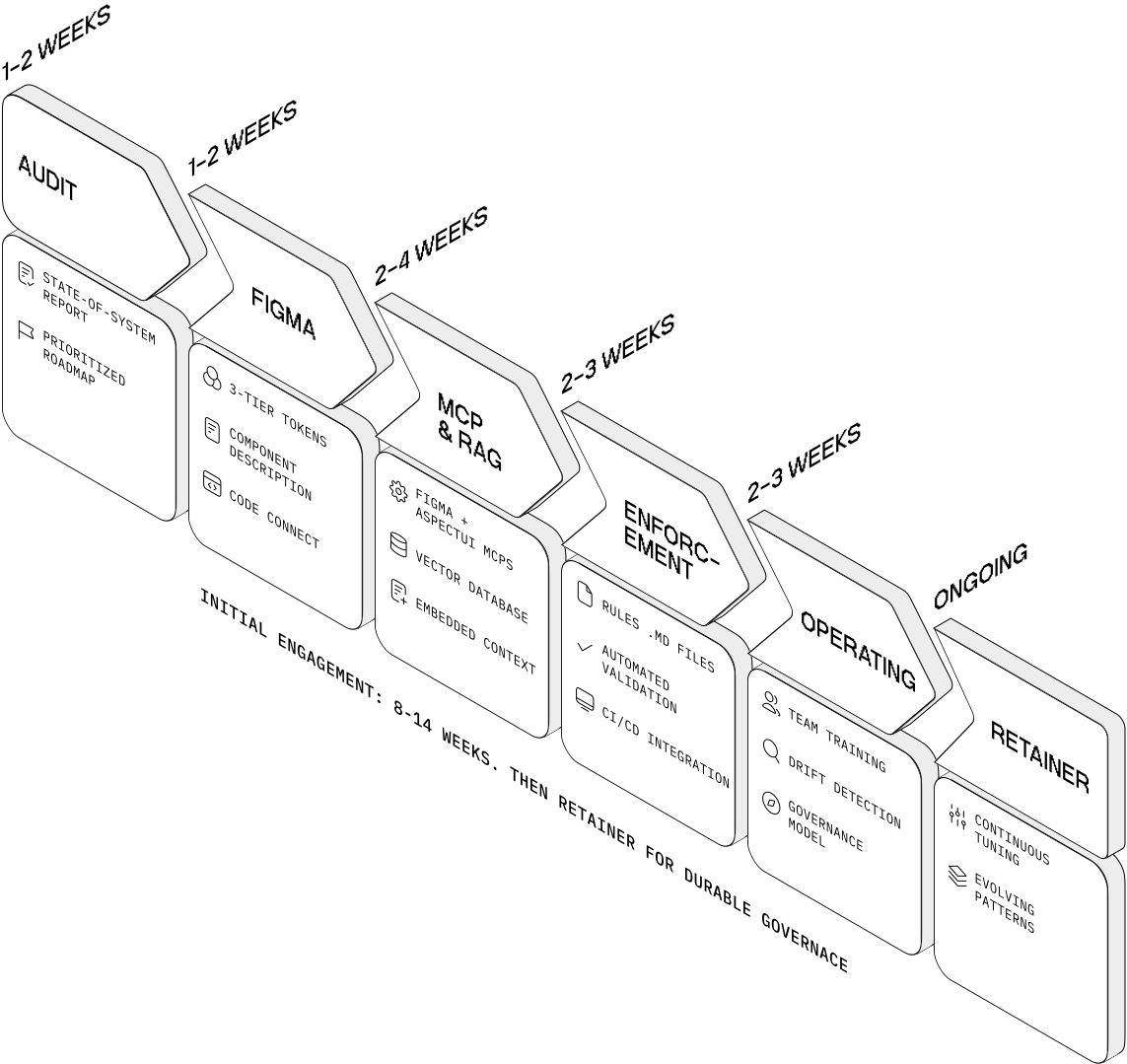
The Figma foundation. We restructure the UI kit with a 3-tier token architecture: primitive tokens for raw values, semantic tokens with intent descriptions for AI consumption, and component-specific tokens. Every component gets a proper description. Code syntax gets added to variable collections. Code Connect bindings link Figma components to the production codebase so AI agents generate real code with real imports, not generic approximations.
The MCP infrastructure. Figma's remote MCP server handles design context. On top of that, we deploy a custom MCP server that acts as the agent's compliance brain, wrapping the vector database and exposing design-system-specific tools like component search, token guidance, composition patterns, and token validation. Each client gets a dedicated namespace for data isolation. Component descriptions, usage rules, anti-patterns, accessibility contracts, and composition patterns are chunked semantically and embedded for retrieval.
The enforcement layer. Rules files for Cursor, Claude Code, and Windsurf force AI agents to consult the design system via MCP before generating code. ESLint and Stylelint plugins enforce token usage. Automated accessibility validation runs through axe-core. Visual regression testing runs through Chromatic. All of it wired into the client's CI/CD pipeline so AI-generated code that violates the design system or accessibility standards automatically fails the build.
Compliance is encoded directly into the token and component layer. WCAG 2.2 AA requirements, SOC 2 audit trails, and fintech-specific patterns like secure input fields and transaction confirmations become structural rather than a review gate at the end of every sprint.
The operating model. We finish by operationalizing the contribution model. Review workflows, drift detection, training for design and engineering teams, and a transition plan to ongoing retainer. The whole point is that when the engagement ends, the client has a design system that functions as compliance infrastructure, not just a component library.
What we're aiming for
The target for fintech clients is measurable on three axes.
Velocity without drift. Compressing the implementation friction between design and engineering from weeks to hours by making AI-generated code consistent with production components on the first pass.
Structural compliance. Encoding WCAG 2.2 AA requirements, SOC 2 audit trails, and fintech-specific patterns directly into the token and component layer, so regulatory readiness becomes a structural byproduct rather than a last-minute scramble before every release.
Durability. Leaving the client with a system that adapts as the AI tooling landscape evolves, rather than a static deliverable that goes stale the moment Cursor ships its next release.
Why us
Nearly 8 years at Polymath and Polymesh building compliance-native products for regulated financial markets, including achieving SOC 2 Type 1, gave us direct experience designing interfaces where compliance was the product, not a constraint on it. We know what it feels like to ship UI into a regulatory environment where every component change is a potential audit finding, and we know how to build systems that turn that pressure into velocity instead of friction.
AspectUI brings that same mindset to the design system layer. It's early. We're actively shaping what it becomes.
And we're looking for the first fintech teams who want to move before the market catches up.